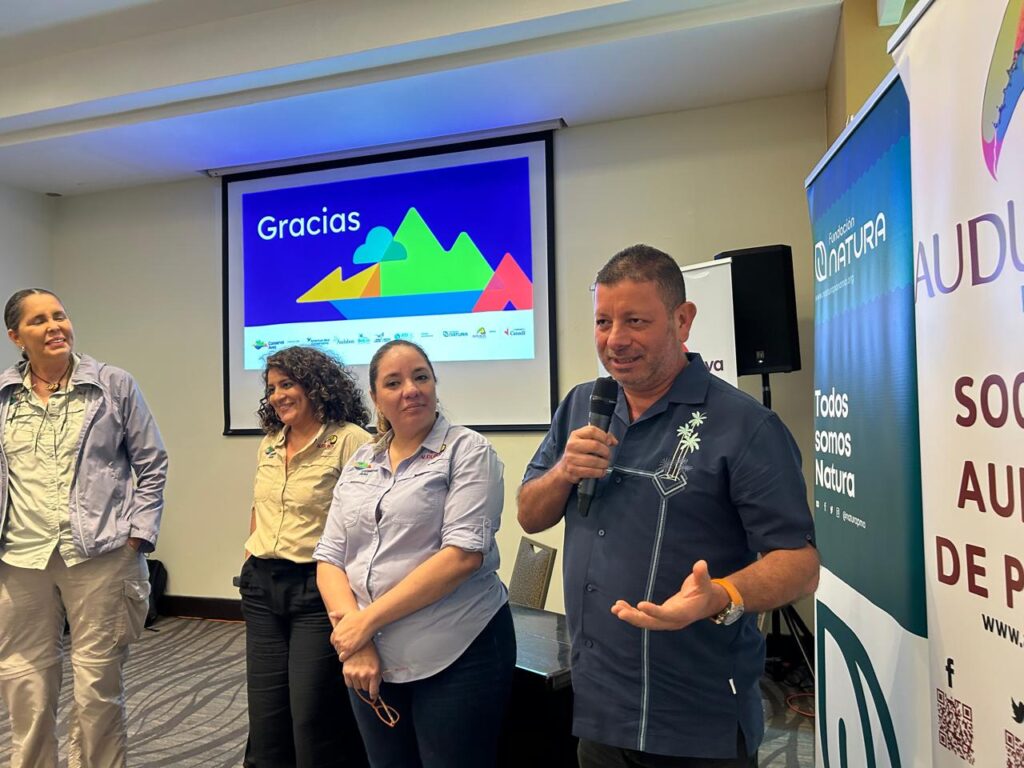
Panama City, October 22, 2025 – With the participation of more than thirty representatives from community and non-governmental organizations across the country, the Conserva Aves Panama Kickoff Workshop was held at the Marriott Hotel. The event aimed to strengthen the technical, financial, and administrative capacities of the six organizations selected to implement local conservation initiatives under this new hemispheric alliance.
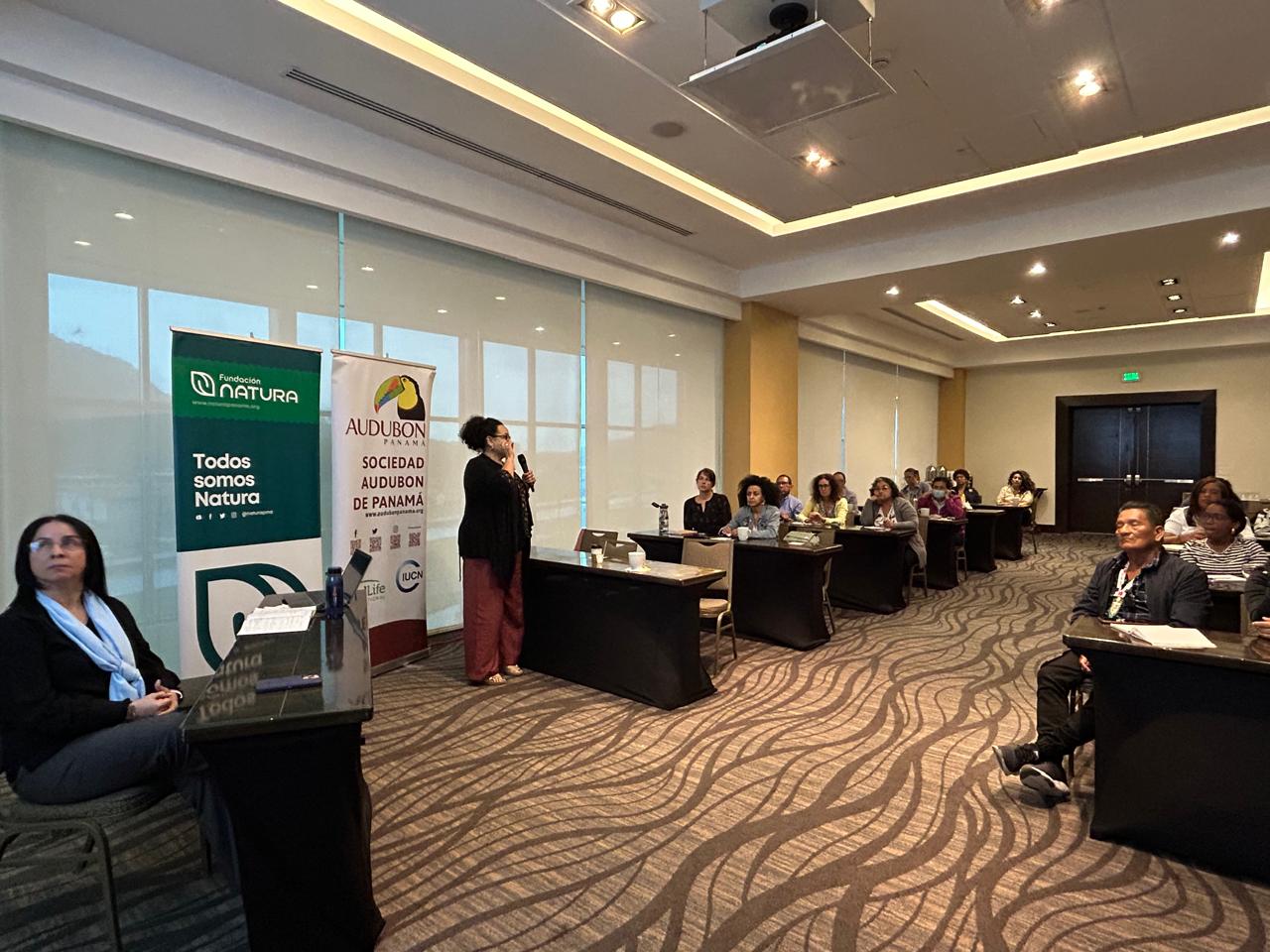
Photo: RedLAC
Kickoff workshop of Conserva Aves Panama
The meeting marks the formal start of the implementation of this initiative in Panamanian territory, ahead of the official launch of Conserva Aves Panama, which will take place on October 23. During the workshop, the teams benefiting from the RFP (Request for Proposal) and Equity Fund received training on key topics such as financial management, planning, reporting, gender and social inclusion policies, as well as tools for organizational strengthening and bird monitoring.
Participating organizations included Fundación Naturaleza y Ciencia 507, Fundación PA.NA.MA., Fundación Panama Wildlife Conservation, Asociación Nacional para la Conservación de la Naturaleza (ANCON), OBEW-FRBP, and the Centro de Estudios y Acción Social Panameño (CEASPA), along with the technical teams from Fundación Natura and Audubon Panama, who are responsible for national implementation of the Initiative.
During the opening session, Edgar Araúz, Project Manager at Fundación Natura, emphasized that “Conserva Aves Panama represents a collaborative model in which conservation is built from the territories. Our goal is to consolidate long-term alliances between communities, organizations, and the State to protect the ecosystems that sustain life and people’s well-being.”
For her part, Yenifer Díaz, Program Director at Sociedad Audubon de Panamá, stated that “… this project represents a unique opportunity to strengthen local conservation leadership. We are committed to participatory, inclusive, and sustainable processes that recognize community knowledge and promote equity in territorial management.”
The workshop was inaugurated by Jorge Garzón, Conserva Aves Coordinator at Fundación Natura, who highlighted the importance of this initial phase: “This space allows us to align criteria and strengthen capacities from day one. We want every organization to feel supported, confident, and equipped with the necessary tools to carry out their conservation projects transparently and effectively,” Garzón noted.
Meanwhile, Michele Caballero, Project Coordinator at Audubon Panama, presented the institutional diagnostic tool and the strengthening methodology that will support the organizations throughout implementation.
“Audubon Panama brings its experience in environmental education, citizen science, and bird conservation. We will work alongside Fundación Natura to help each organization improve its processes, strengthen its teams, and achieve measurable results in conservation and community participation” Caballero stated.
The workshop agenda also included a session dedicated to the gender and social inclusion approach, facilitated by Cecilia Moreno, IGIS Specialist for Panama, together with Maya Doyon-Hanson from Birds Canada, as well as a detailed review of the donation contracts and the financial, technical, and communication guidelines of the Initiative.
Conserva Aves Panama is funded by the Government of Canada through the RFP and Equity Funds, investing approximately USD 1.3 million to strengthen biodiversity conservation and promote the creation and management of protected areas and territories conserved by communities, women, and Indigenous peoples.
The implementation of the Initiative in Panama is led by Fundación Natura and Sociedad Audubon de Panamá, with the technical support of American Bird Conservancy (ABC), National Audubon Society, BirdLife International, Birds Canada, and the Latin American and Caribbean Network of Environmental Funds (RedLAC).