In Santa Cruz de la Sierra, the initiative presented the main results and lessons learned from its first five years and brought together its national partners from nine countries to mark this milestone.
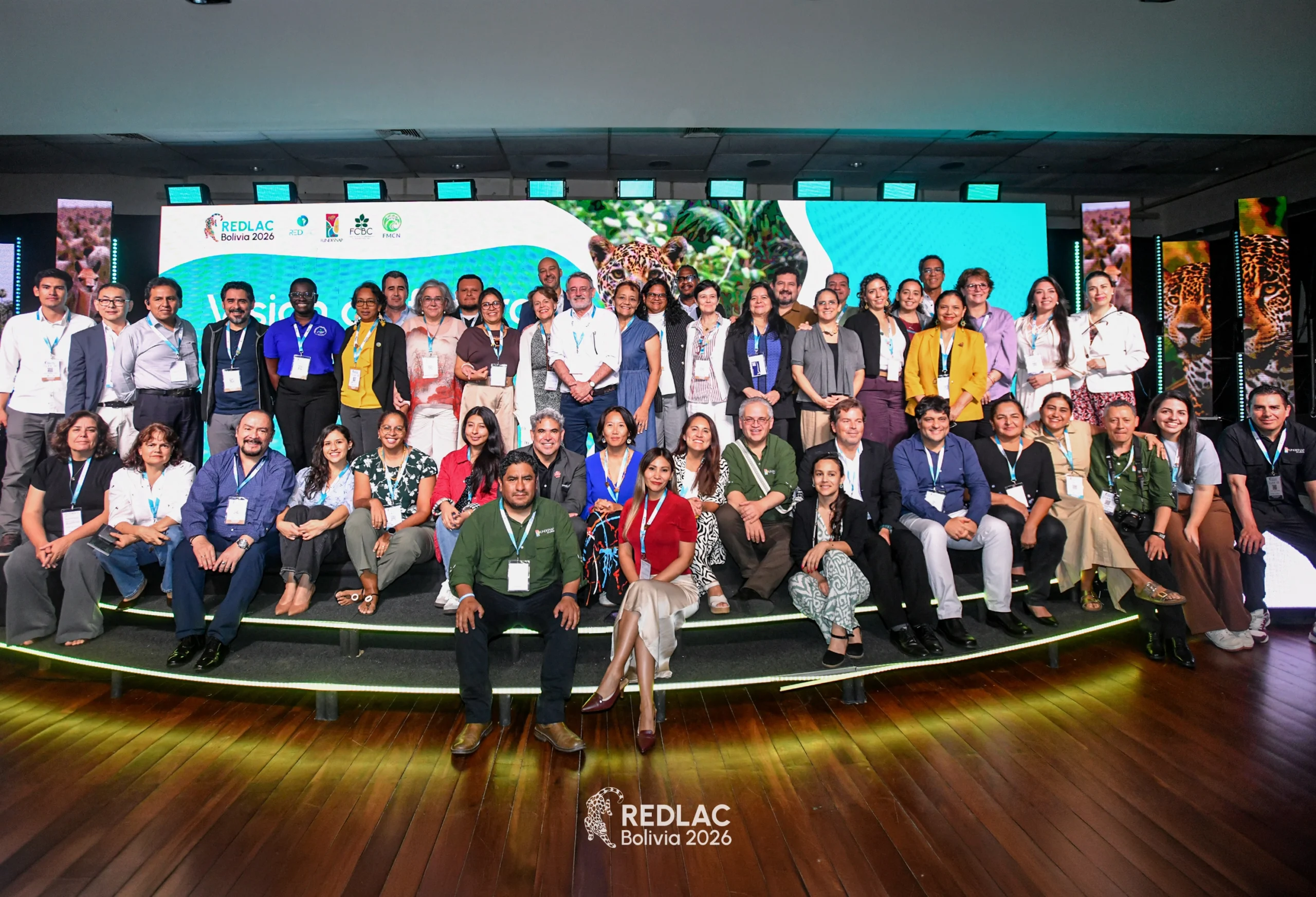
Under the theme “Finance that drives conservation, Indigenous peoples who protect, innovation that transforms,” the 28th RedLAC Congress took place from October 5 to 8, 2026, in Santa Cruz de la Sierra, Bolivia.
RedLAC organized the event together with FUNDESNAP and the Chiquitano Forest Conservation Foundation (FCBC). It brought together the network’s 30 environmental funds from 20 countries across Latin America and the Caribbean, along with representatives of governments, Indigenous peoples, civil society organizations, international cooperation agencies and the private sector, to discuss the challenges and opportunities of financing nature conservation.
In this context, Conserva Aves commemorated its first five years of work and shared the progress of an initiative that brings together efforts to strengthen conservation on the ground. To date, it reports more than 3 million hectares supported across 189 areas, including more than 1.6 million hectares in 48 officially designated areas. It also involves 82 local organizations and has recorded 1,842 bird species in the areas it supports.
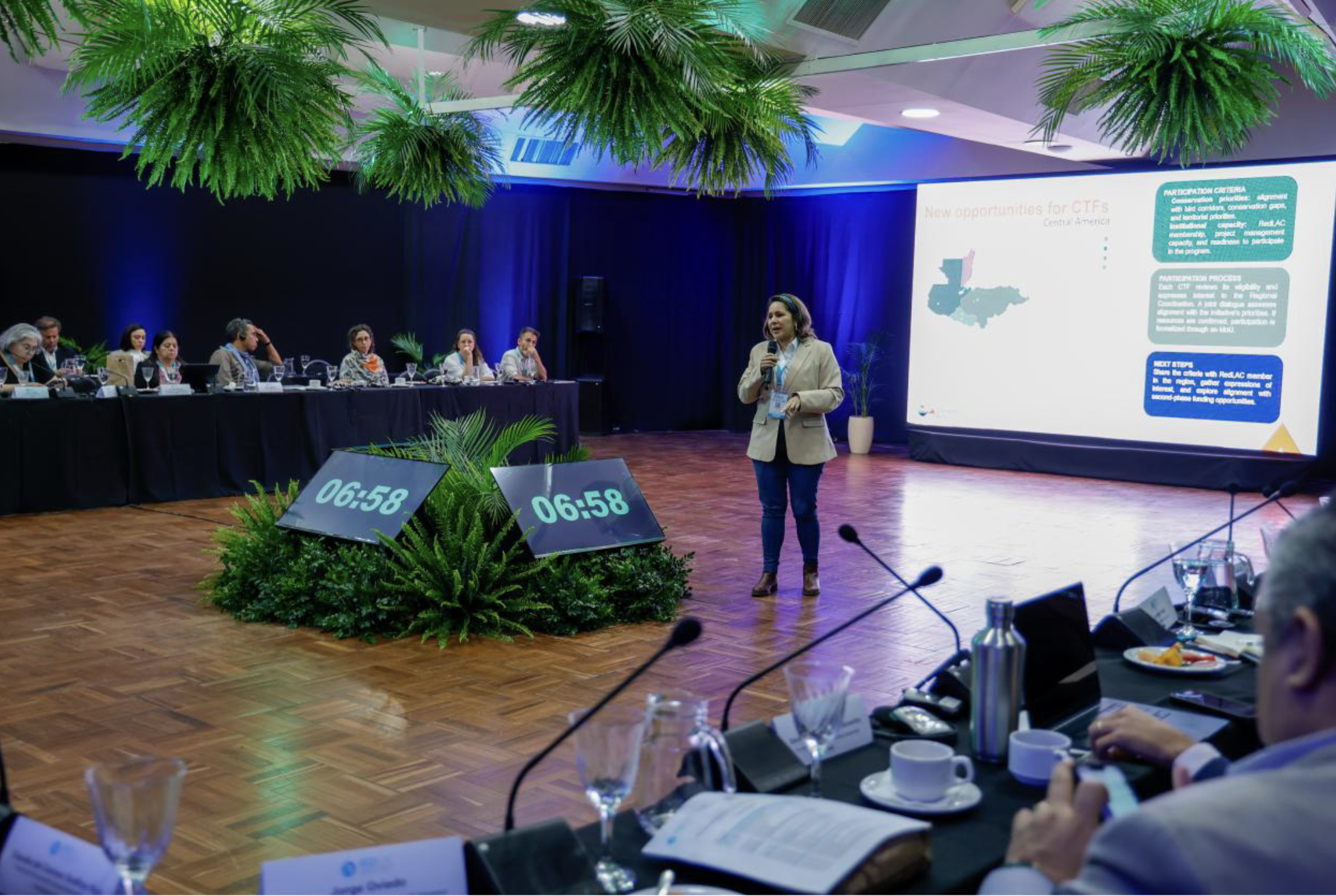
On October 5, during the RedLAC Members’ Assembly, the Conserva Aves Coordination at RedLAC-FIAES presented the main results from the first five years of implementation, the lessons learned from this process and the opportunities identified to strengthen the initiative in its next phase.
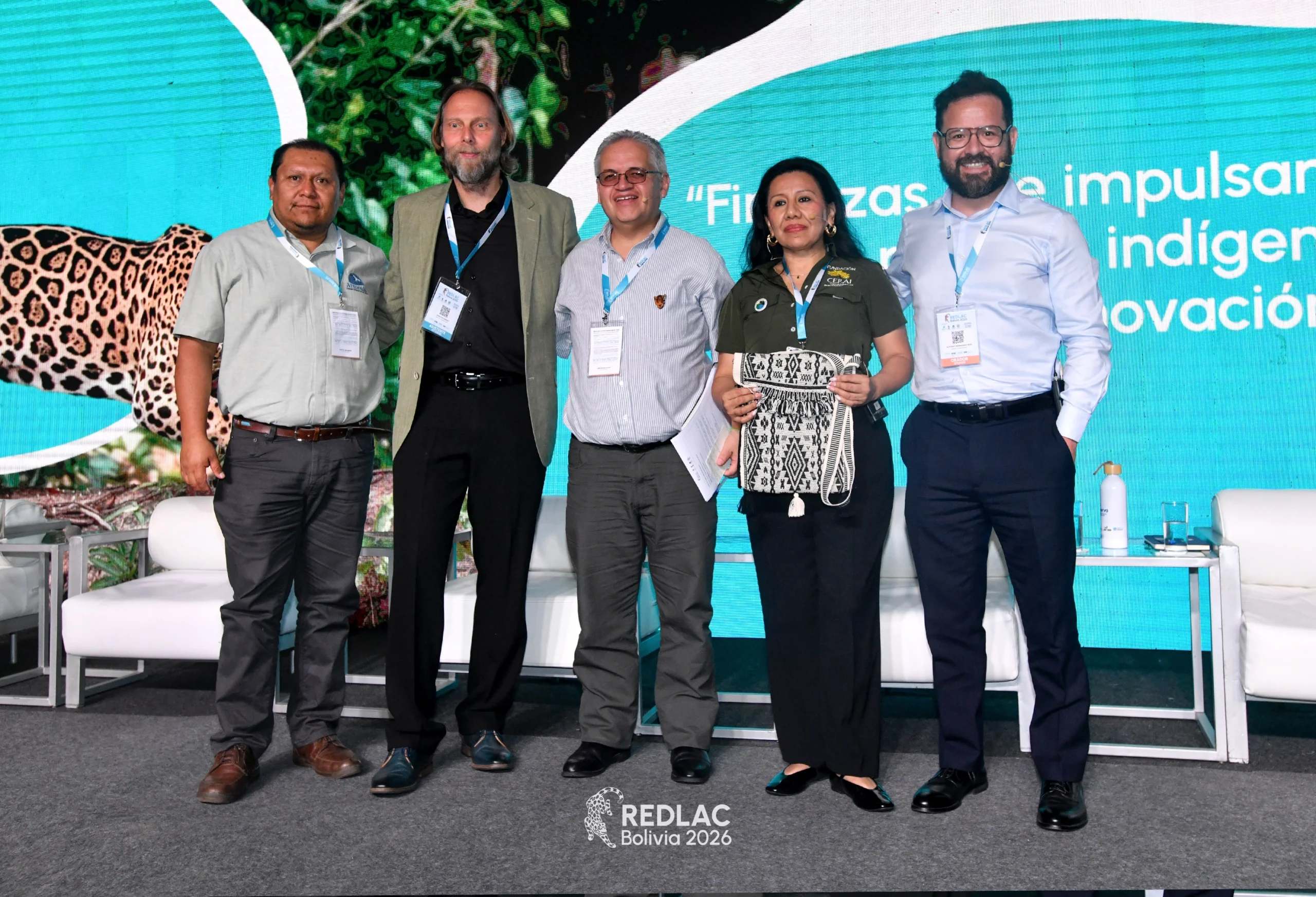
Two days later, on October 7, a panel dedicated to Conserva Aves was moderated by Alfonso Hernández, Programs Manager at BirdLife International. The session reviewed the implementation experience from different perspectives and reflected on what is needed to build on the progress achieved.
The conversation was organized into three parts: how the model works and how the partners and other stakeholders involved in its implementation coordinate; the main challenges, tensions and lessons that emerged over these five years; and the outlook for the next phase, with a focus on the sustainability of protected areas and the development of long-term financing mechanisms.
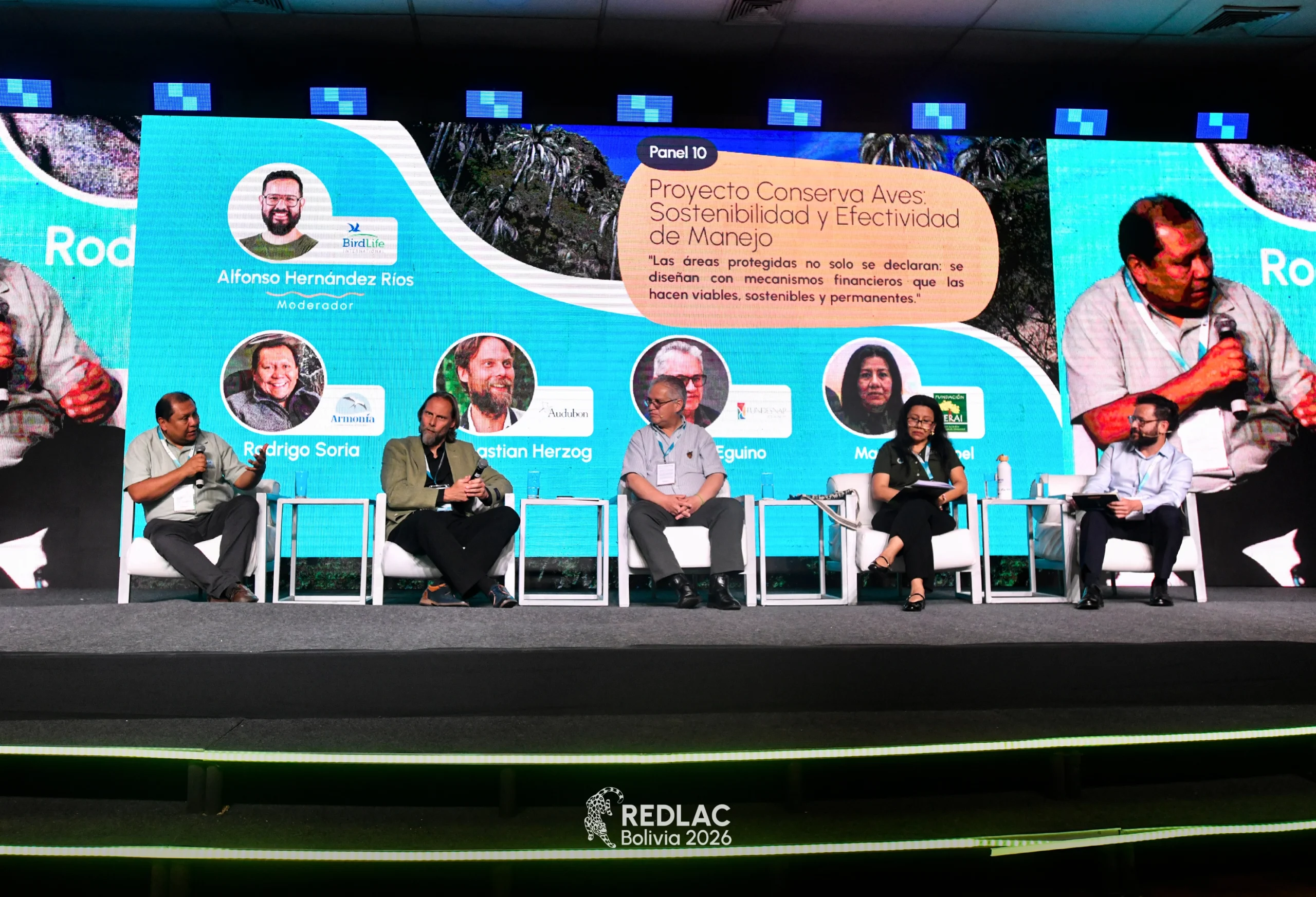
The panelists were Sebastián Herzog, Regional Coordinator of Conserva Aves and Director of Protected Areas at Audubon; Marioly Villaroel, Executive Director of CERAI; Rodrigo Soria, Executive Director of Asociación Armonía; and Sergio Eguino, Executive Director of FUNDESNAP. These organizations offered different perspectives on the initiative’s implementation and on conservation experience in Bolivia.
One of the key lessons shared was that declaring a protected area is only the beginning of a process that requires ongoing support to consolidate its management. Effective, long-term conservation requires sustainable financing, partnerships, political will and work with the stakeholders in each territory.
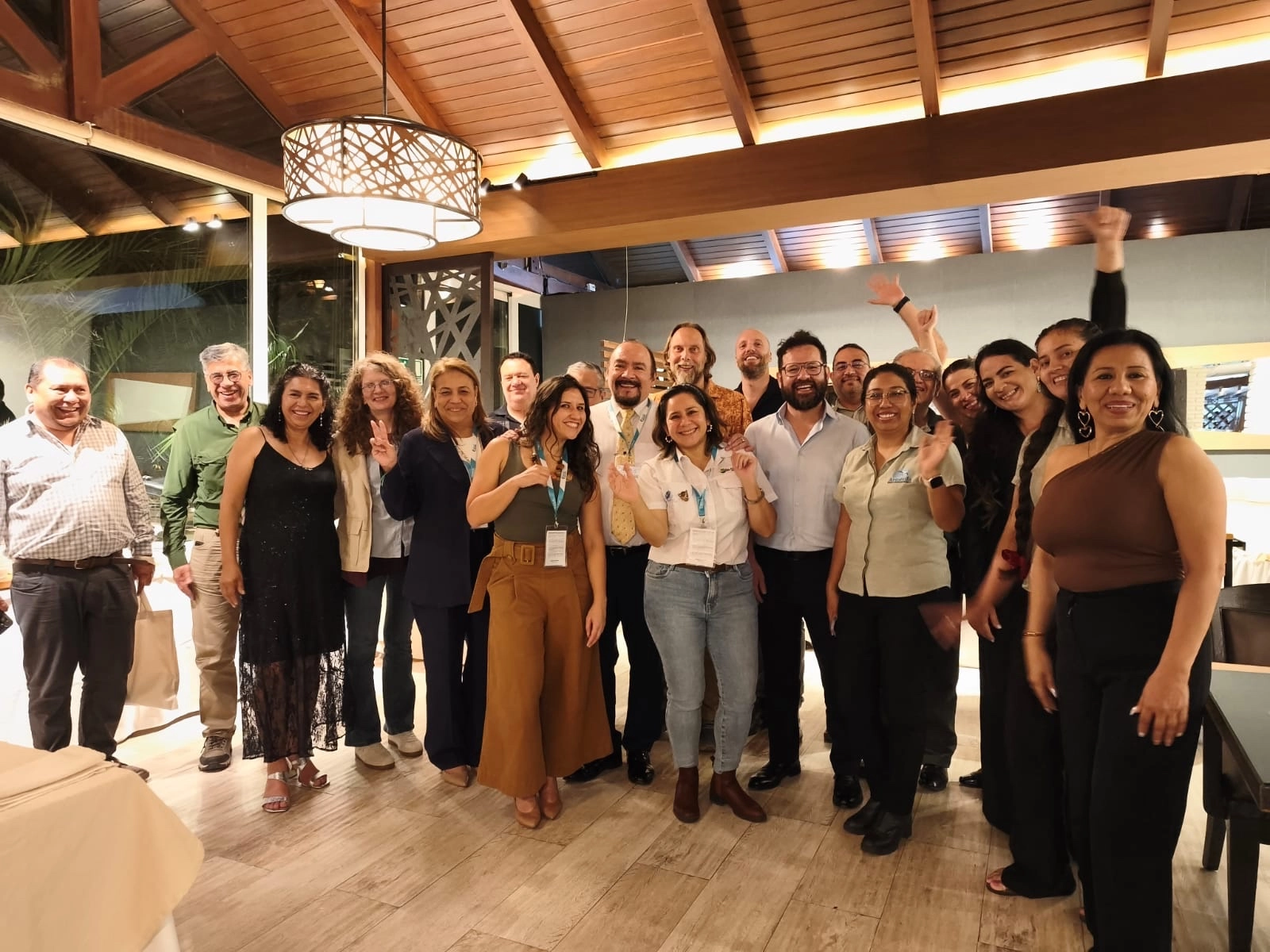
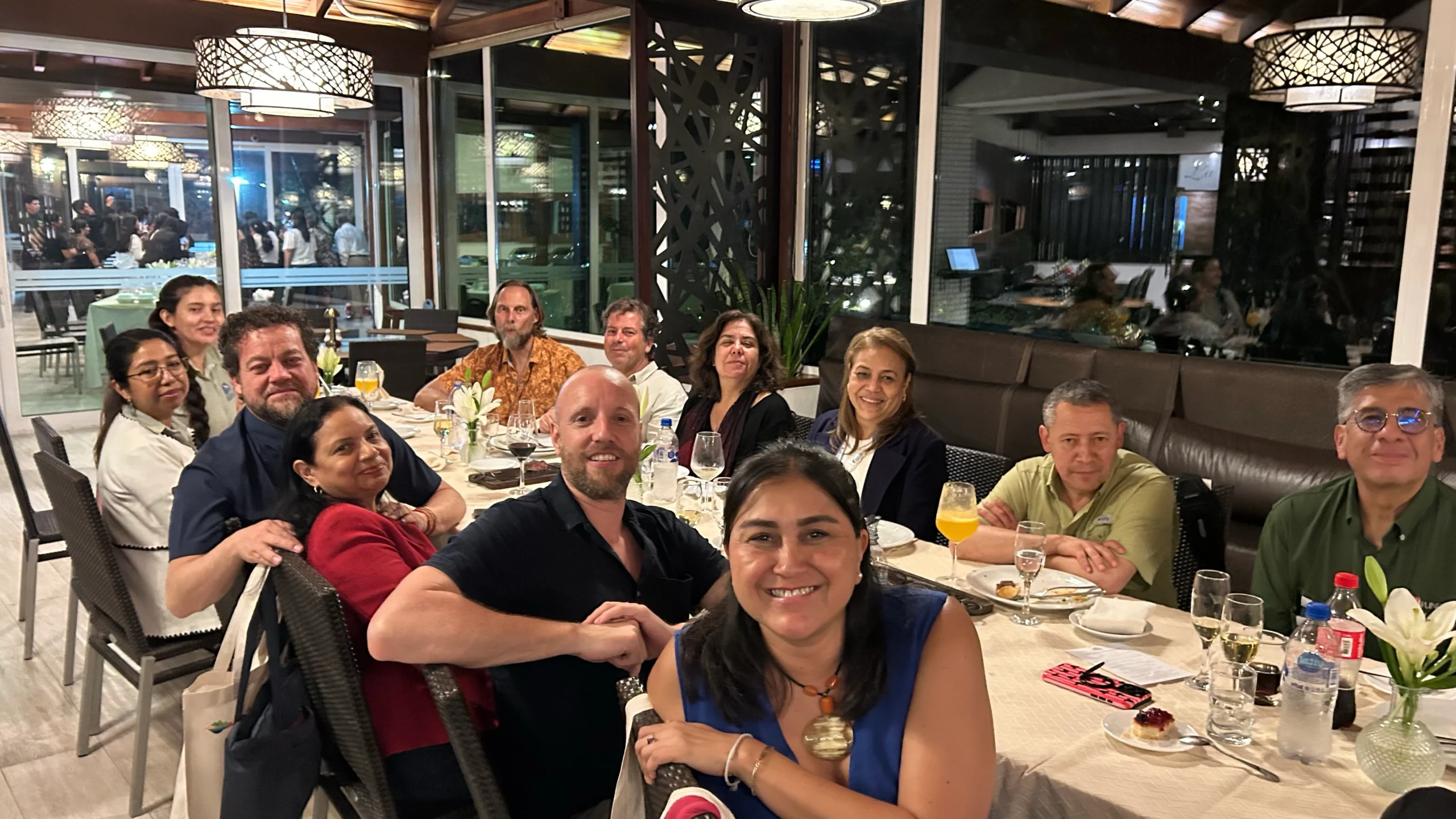
On October 7, Conserva Aves also celebrated its first five years with a commemorative dinner. It brought together representatives of its national partners from Bolivia, Chile, Colombia, Ecuador, Mexico, Panama and Peru, along with the regional team, its founding partners and other organizations joining the initiative.
The gathering was an opportunity to recognize the work carried out during this first phase, share experiences across countries and strengthen ties among the organizations that contribute to conservation on the ground and to work with local communities.
Beyond the celebration, the event highlighted collaboration between organizations as one of the pillars of the Conserva Aves model, along with a shared commitment to advancing biodiversity conservation.
The gathering made it possible to recognize the work carried out during this first phase, share experiences across countries and strengthen the ties of a network that has grown through collaboration among national organizations, communities and stakeholders committed to conservation.
The lessons from these first five years provide a foundation for planning the second phase of Conserva Aves, which aims both to create new areas and to consolidate those already established.
Key challenges for this new phase include strengthening the financial and social sustainability mechanisms that keep protected areas under management, exchanging experiences and tools between countries, and expanding partnerships that help sustain the results achieved.
The first five years are therefore not only a milestone for Conserva Aves and its partners but also an opportunity to build on the experience gained, strengthen the collaborative model and keep contributing to global biodiversity conservation goals.