The Initiative has made significant progress between February 12-16 in negotiations to implement Conserva Aves in Mexico. This effort seeks to expand the project’s actions by targeting the creation or expansion of subnational protected areas.
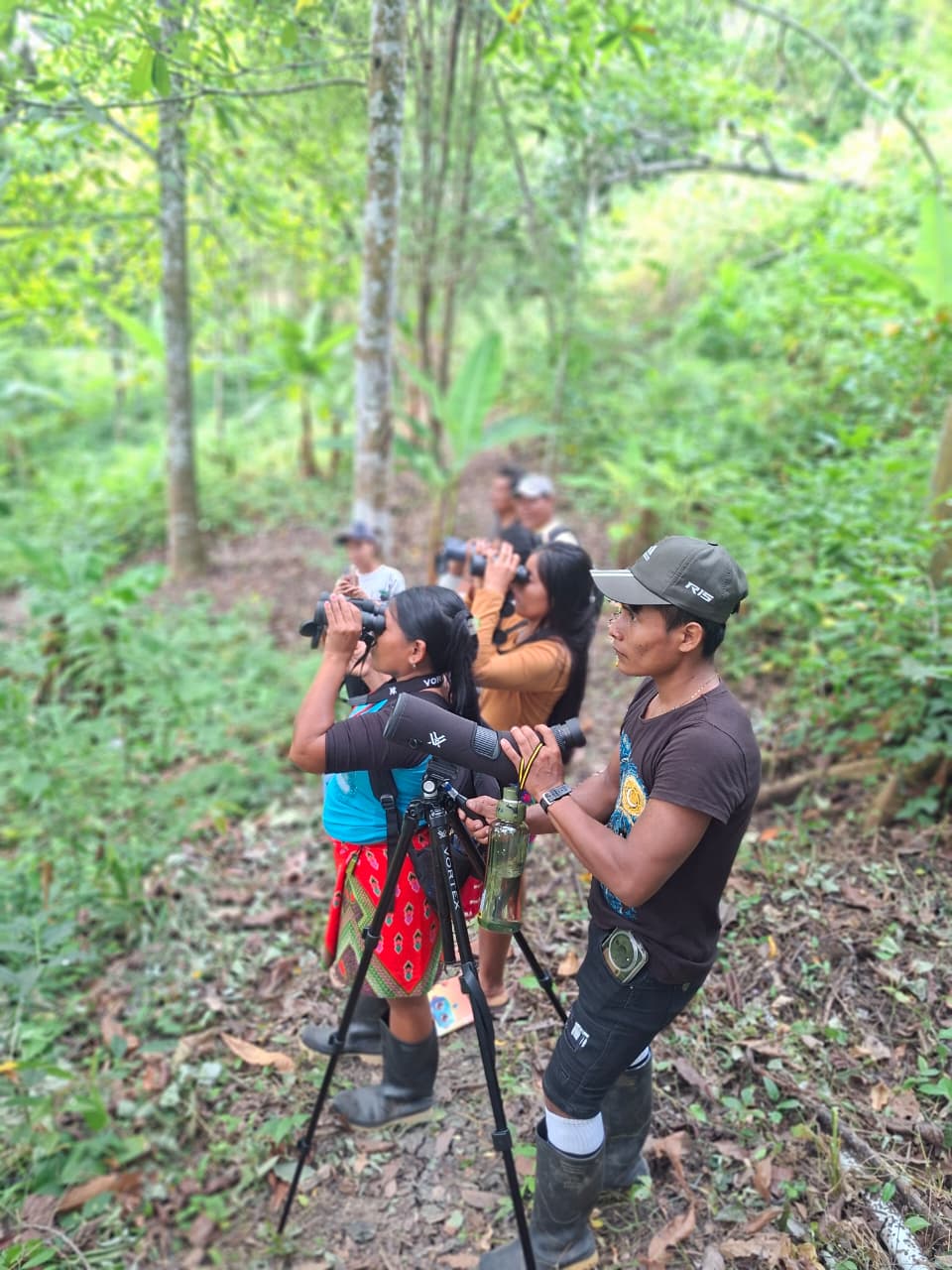
Conserva Aves promotes the conservation and sustainable management of ecosystems and integrates citizen science, environmental education, and local sustainable tourism to meet its goals of establishing and strengthening more than 100 new subnational protected areas, totaling two million hectares in nine Latin American countries, which include territories of life in regional, municipal, ethnic, and private spaces.
Conserva Aves is implemented by leading conservation organizations, including the American Bird Conservancy, National Audubon Society, BirdLife International, and the Latin American and Caribbean Network of Environmental Funds (RedLAC).
Negotiations are underway with the RedLAC partner in Mexico, Fondo Mexicano para la Conservación de la Naturaleza, A.C. (FMCN), and with the national BirdLife partner, Pronatura Sur, who are laying the groundwork for future collaboration that will advance the country’s conservation efforts.
The Initiative has also set its sights on Panama, where these negotiations have intensified and agreements with Fundación Natura and Audubon Panama are expected to be formalized. These actions in both countries are firm steps by the Conserva Aves Initiative to protect territories of life through effective conservation practices, underscoring the importance of the support of national partners to the Initiative’s success.
Currently in the Tropical Andes, the Initiative is supported by a $12 million grant from the Bezos Earth Fund, accelerating its efforts to contribute to the ambitious 30×30 goal, which aims to protect 30% of the planet’s marine and terrestrial areas by 2030.