Ciudad Roma: A New Municipal Protected Area in Potosí
The new Municipal Protected Area of Ciudad Roma, covering 65,678 hectares of high-mountain terrain, has been officially designated in the municipality of San Antonio de Esmoruco, Potosí.
Located in southern Potosí, this vital habitat reaches elevations of up to 5,681 metres above sea level and forms part of a strategic ecological corridor connecting Bolivia, Argentina and Chile. The area’s unique and endangered high-Andean ecosystems are home to species such as flamingos and suris, many of which are migratory and find Ciudad Roma a vital refuge.
A bridge for biodiversity without borders
The Ciudad Roma area is crucial for connecting a high Andean ecological corridor.
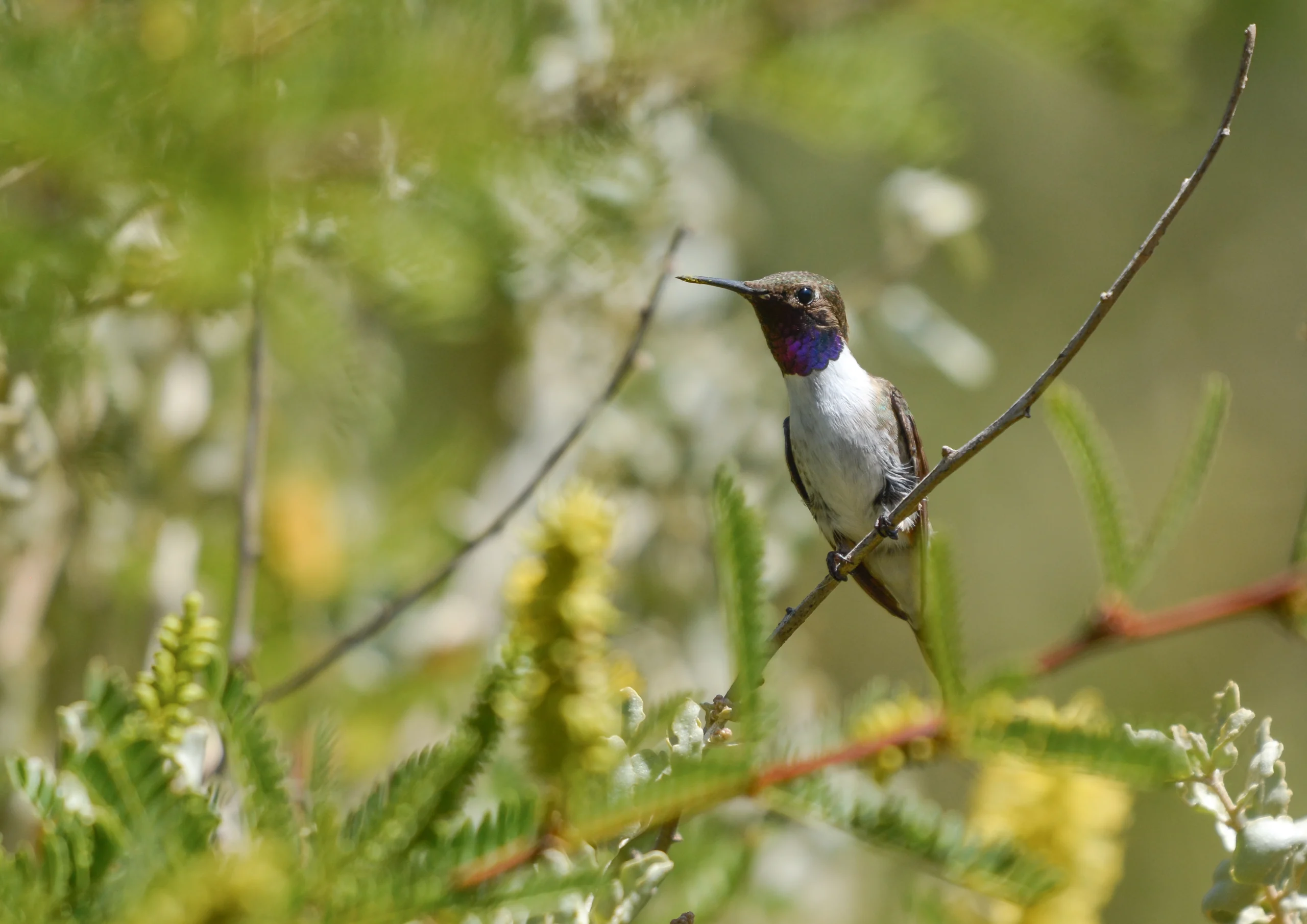
The area protects high-altitude wetlands and lagoons, and provides shelter for migratory birds such as Andean flamingos and parakeets, which depend on these ecosystems for nesting and feeding. Conserva Aves in Bolivia is leading scientific bird monitoring to update species lists and consolidate monitoring protocols.

Geological formation in Ciudad Roma. Photo credit: Nelson Fernández.
Community-driven initiative
The creation of Ciudad Roma stems from the communities’ own deep commitment to conservation. Aware of the richness and fragility of their environment, it was the residents who decided to take the first step and reach out to PROMETA, the organisation currently leading the implementation of this initiative at the local level.
This strategic alliance was not a coincidence, but rather the result of trust built over time thanks to various successful projects that the organisation had previously carried out in the region. What began as a community concern has thus evolved into a joint effort that stands as a model of participatory and sustainable management for the protection of the territory today.
Community, Science and Local Management.
The Ciudad Roma project was developed through a participatory process led by PROMETA (the Tarija Environmental Protection Association), with the support of the San Antonio de Esmoruco Autonomous Municipal Government and the Conserva Aves initiative. The project currently has a steering committee, and an advanced biodiversity and socioeconomic assessment has been conducted. The Management Plan and Strategic Financial Plan for the area are in the process of being developed.
“Ciudad Roma is nature and community. Together with the municipality of Esmoruco, we are designing a sustainable and participatory management model,’ stated a PROMETA technician.
To date, the project has carried out activities related to assessment, outreach, bird monitoring and local capacity building. Nature-based tourism is the driving force behind the development of this protected area.
The protected area offers concrete opportunities for families in Esmoruco. Birdwatching and nature-based tourism are emerging as sustainable economic alternatives to traditional llama and vicuña herding.

Panoramic photo of Ciudad Roma. Credit: Nelson Fernández.
With a strategic financial plan in development and the backing of international partners, Ciudad Roma is set to become an eco-friendly destination linking the Salar de Uyuni with the pristine beauty of its high Andean lagoons. The project aims to generate income for the community through municipal fee systems and responsible tourism services.
Bolivia Reaches New Conservation Milestones
The designation of Ciudad Roma is one of 12 projects supported by Conserva Aves in Bolivia. These projects aim to protect more than one million hectares and have succeeded in strengthening the capacity of local governments in scientific monitoring and territorial planning.
“Ciudad Roma is a new territory of life. Conserva Aves collaborates in these processes to combat the impacts of climate change and strengthen local livelihoods,’ emphasised a programme spokesperson.
Conserva Aves is an initiative led by a hemispheric coalition comprising: American Bird Conservancy, Audubon, BirdLife International, Birds Canada, and the Network of Environmental Funds in Latin America and the Caribbean (RedLAC).
Conserva Aves creates, consolidates and strengthens over 100 subnational protected areas — municipal, communal, ethnic or private — with the aim of protecting over two million hectares across nine Latin American countries. Birds are at the heart of this initiative because they are perfect bioindicators of the planet’s health. They are easy to hear and observe, and are highly sensitive to environmental changes; their health therefore directly reflects that of the entire ecosystem.
In Bolivia, the Initiative’s lead partners are Fundesnap and Asociación Armonía, who receive strategic support from the Bezos Earth Fund.