
Homepage
About us
FAQs
HOME

Conserva Aves holds a gathering to celebrate the results of its projects in Colombia

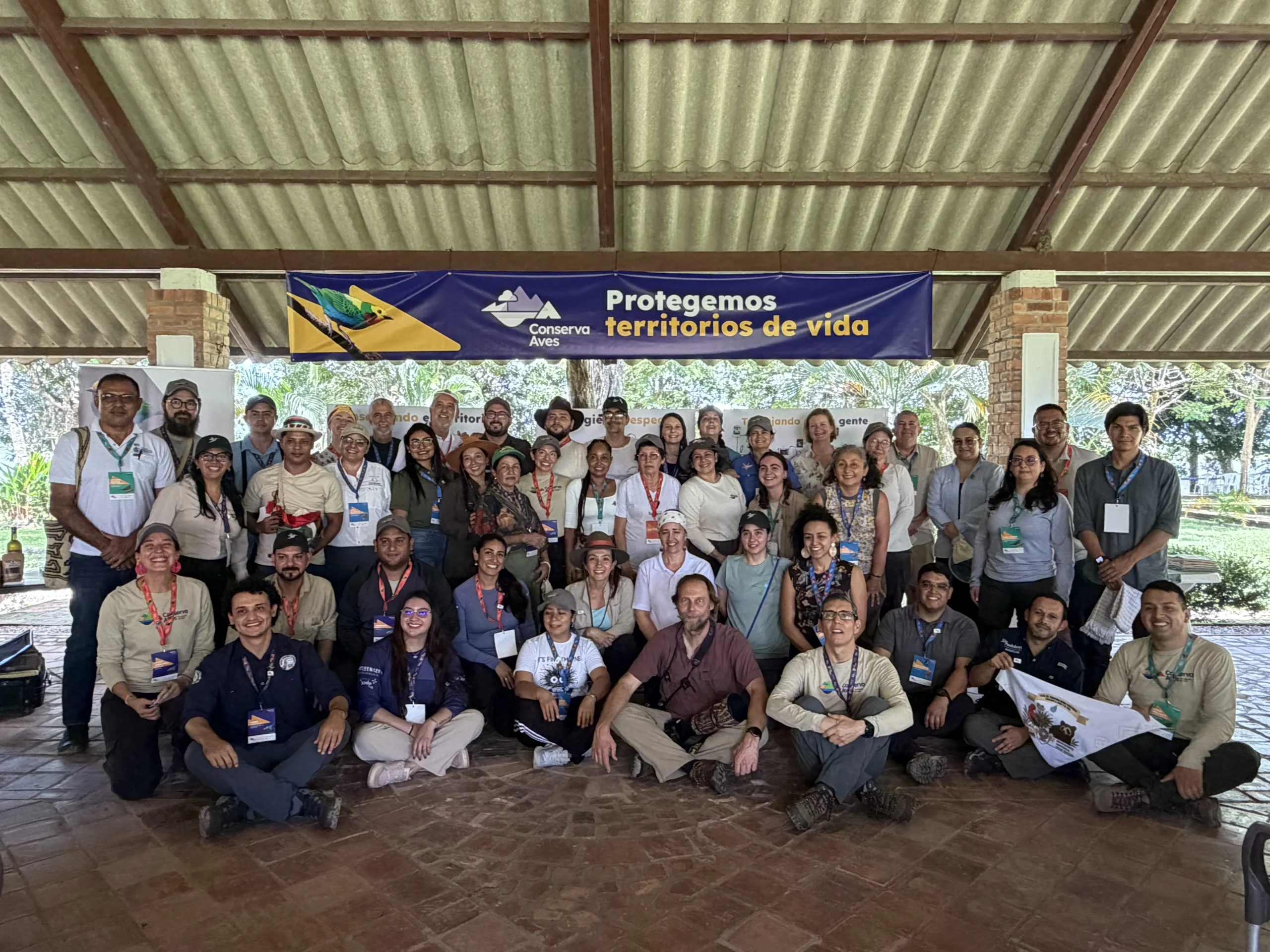
From July 6 to 9, 2026, in the municipalities of Yopal and Orocué, in the department of Casanare, local and national partners celebrated the progress and results achieved through the Conserva Aves Colombia projects. It was four days of conversations, reflections, a field visit, and recognition, celebrating the more than 130,000 hectares of protected land and the communities that care for them.
Fondo Acción

After four years of joint efforts, Conserva Aves Colombia held a handover event in the heart of the Orinoquía region. The 21 local organizations, national partners Fondo Acción and Asociación Calidris, along with the Initiative’s regional partners—American Bird Conservancy, Audubon, BirdLife International, Birds Canada, and RedLAC—and donors Bezos Earth Fund and the Government of Canada, took part in this meaningful gathering.

The purpose of the event was to celebrate the results achieved, bring together community-based, Indigenous, ethnic, and civil society organizations with their partners and donors in one place, and inspire new ideas through the exchange of experiences.

Lo que dejan los proyectos en Colombia

Since 2022, Conserva Aves Colombia, under the leadership of Fondo Acción and Asociación Calidris, has worked with 29 organizations on 32 projects across the Orinoco savannas, lowland humid forests, Andean forests, dry ecosystems, the Llanos foothills, and the Andean-Amazonian foothills.

Results at a glance:

  • More than 130,000 hectares under some form of conservation, with 22 areas formally recognized and 30 more in the approval process.
  • Protected habitat for 142 migratory bird species, 20 species endemic to Colombia, and 16 threatened species.
  • More than 50 management plans developed, 18 financial sustainability plans, and a methodological guide for developing management plans for conservation areas.
  • USD 5,246,669 in total portfolio investment, of which 38% came from Conserva Aves and 62% from project counterpart funding. In other words, for every dollar invested, the territories contributed more than one and a half dollars.

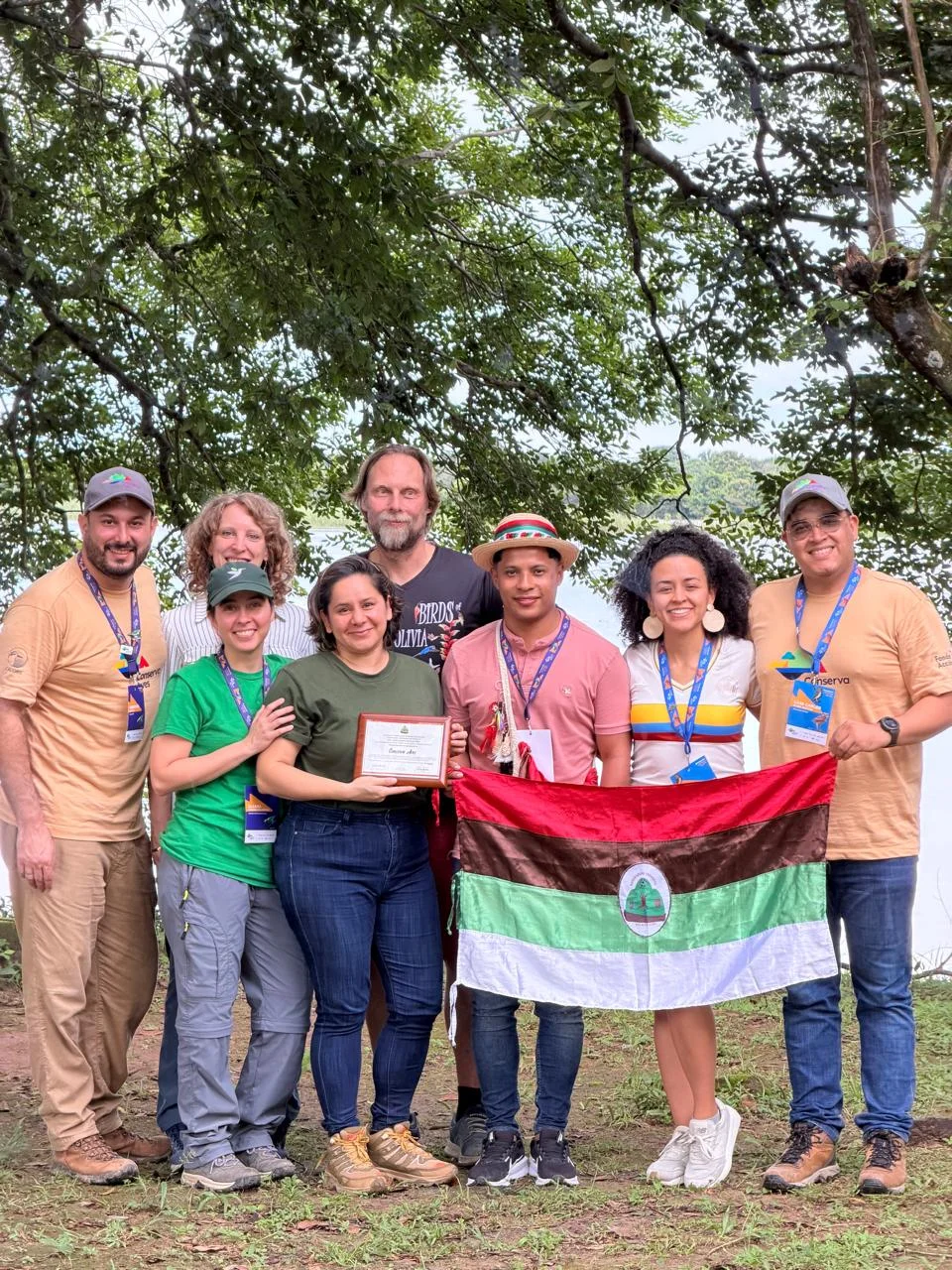
“Thank you, because these initiatives also help build peace and security in our territories. They foster forms of care not only for our territories, but also for our communities. And these impacts, beyond the number of hectares and species we protect, continue to help build this country, little by little.” — Fredy Chaves, Gran Tescual Indigenous Reserve, implementing organization of the initiative.
Círculos de la palabra: aprender de lo vivido

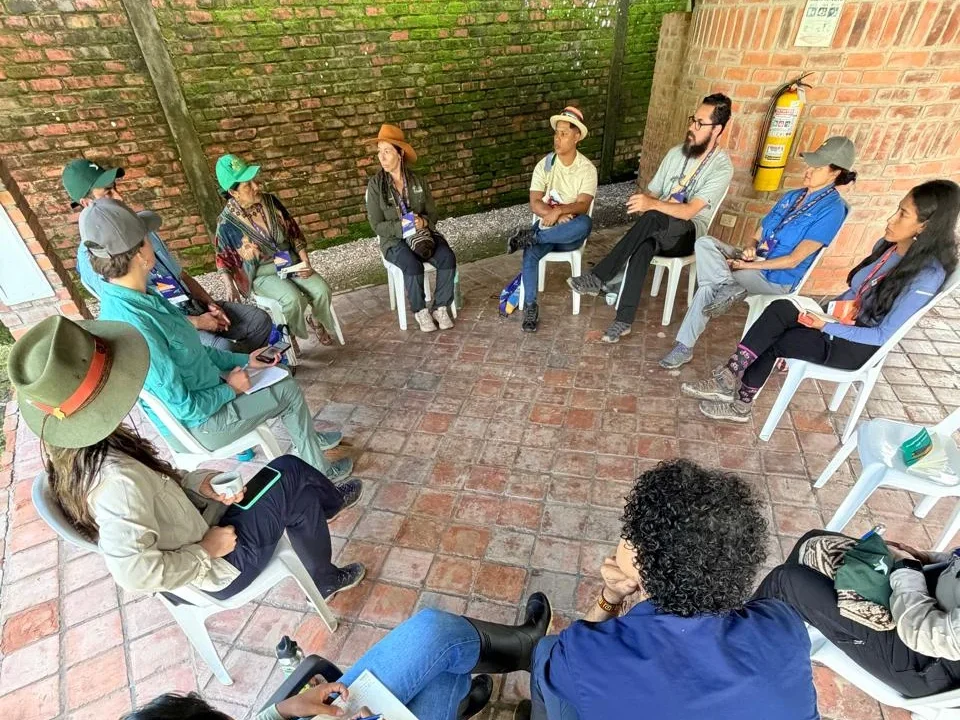
The gathering was an opportunity to talk, share experiences, and exchange knowledge around the initiative’s main areas of action: conservation, management and sustainability, monitoring, and governance. Participatory spaces such as the Círculos de Palabra (Talking Circles) made it possible to hear the voices and lessons learned from those who have been part of this process.

Those conversations generated insights that now help guide the future of the initiative:

  • Conservation works when it starts with local realities. The processes that thrived were those adapted to the legal, territorial, and cultural conditions of each territory, and those that returned information and management tools to communities and landowners.
  • Community-based monitoring helps close gaps. When monitoring stopped being the sole responsibility of technical teams and became a shared effort with grassroots organizations, it strengthened the social fabric and even contributed to a greater sense of security in the territory.
  • Women sustain a large part of these processes, from monitoring, nurseries, and community-based tourism to organizational management.
  • Financial sustainability is the greatest challenge. This was the most strongly identified challenge across all the circles, along with the need to promote sustainability from the outset of projects and build value chains around the products and services emerging from conservation areas.
  • The support of an initiative like Conserva Aves gives legitimacy to local organizations in the eyes of institutions and communities, and opens doors that are difficult to open alone.

“An event like this is an opportunity to speak directly with the organizations working to safeguard biodiversity and the environment. It is an opportunity to learn about the challenges and barriers they face and to hear the ideas they have.” — Erin Cosgrove, Representative of the Government of Canada.

Salida de campo al Bioparque Wisirare

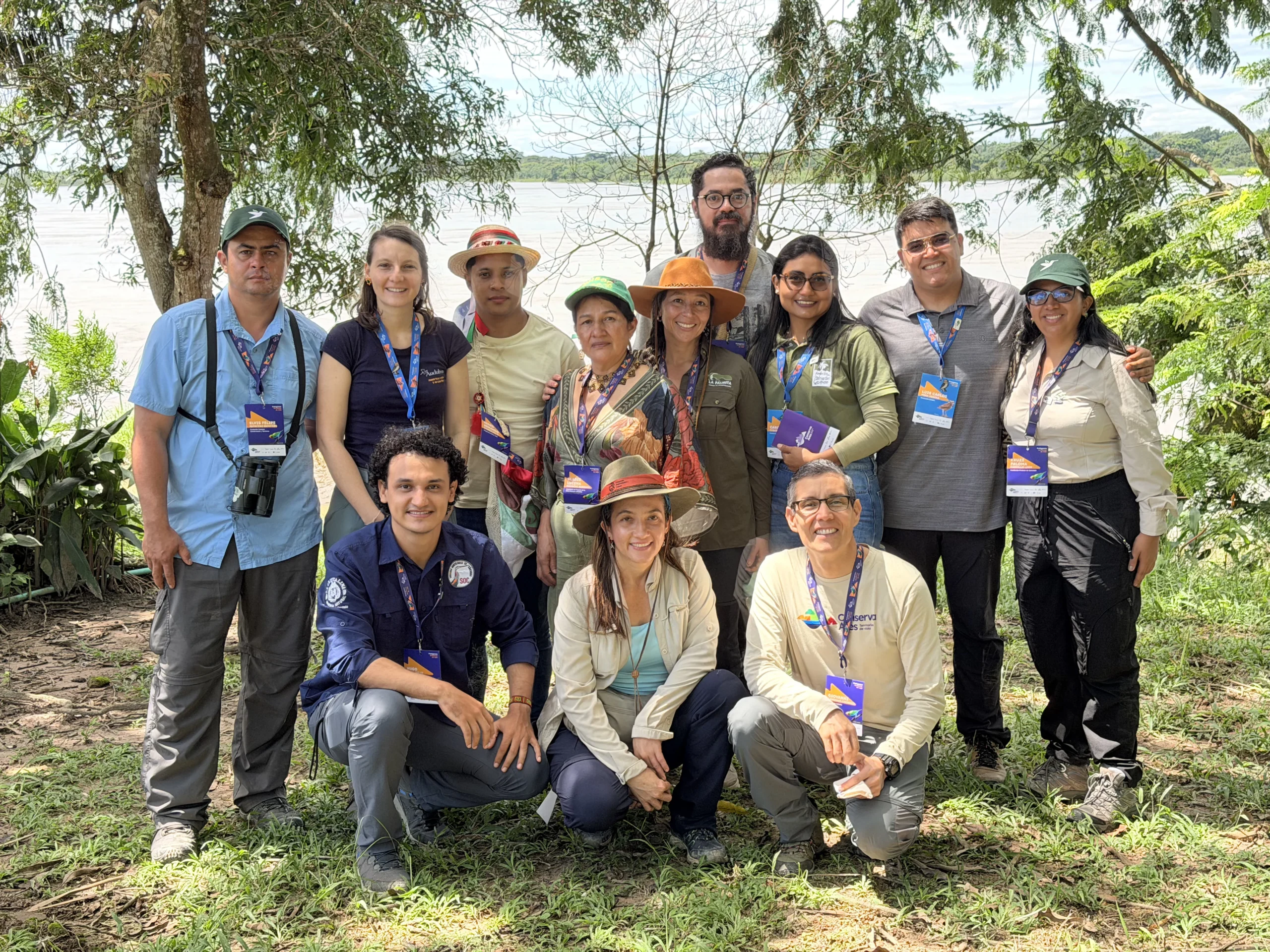
As part of the celebration, participants took part in a field visit to Wisirare Biopark, where Fundación Palmarito, a local partner of Conserva Aves, shared its experience in achieving the site’s recognition as an OECM, as well as its public-private governance and management model.

The visit also included a birdwatching session at the park’s lagoon, with a tour of the two observation towers upgraded with support from the initiative. This infrastructure strengthens monitoring, environmental education, and nature-based tourism activities in the territory.
Lo que viene

The completion of these projects does not mean the end of Conserva Aves, but rather the beginning of its next chapter. Organizations agree that the priorities now are to implement the management plans and financial sustainability strategies, strengthen the governance structures that have been established, and maintain the relationships built among partners over these four years.

Conserva Aves is a hemispheric initiative led by American Bird Conservancy, Audubon, BirdLife International, Birds Canada, and RedLAC, which promotes the creation and sustainable management of more than 100 new conservation areas across Latin America. In Colombia, it is implemented by Fondo Acción with the support of Asociación Calidris, and with support from the Bezos Earth Fund and the Government of Canada.