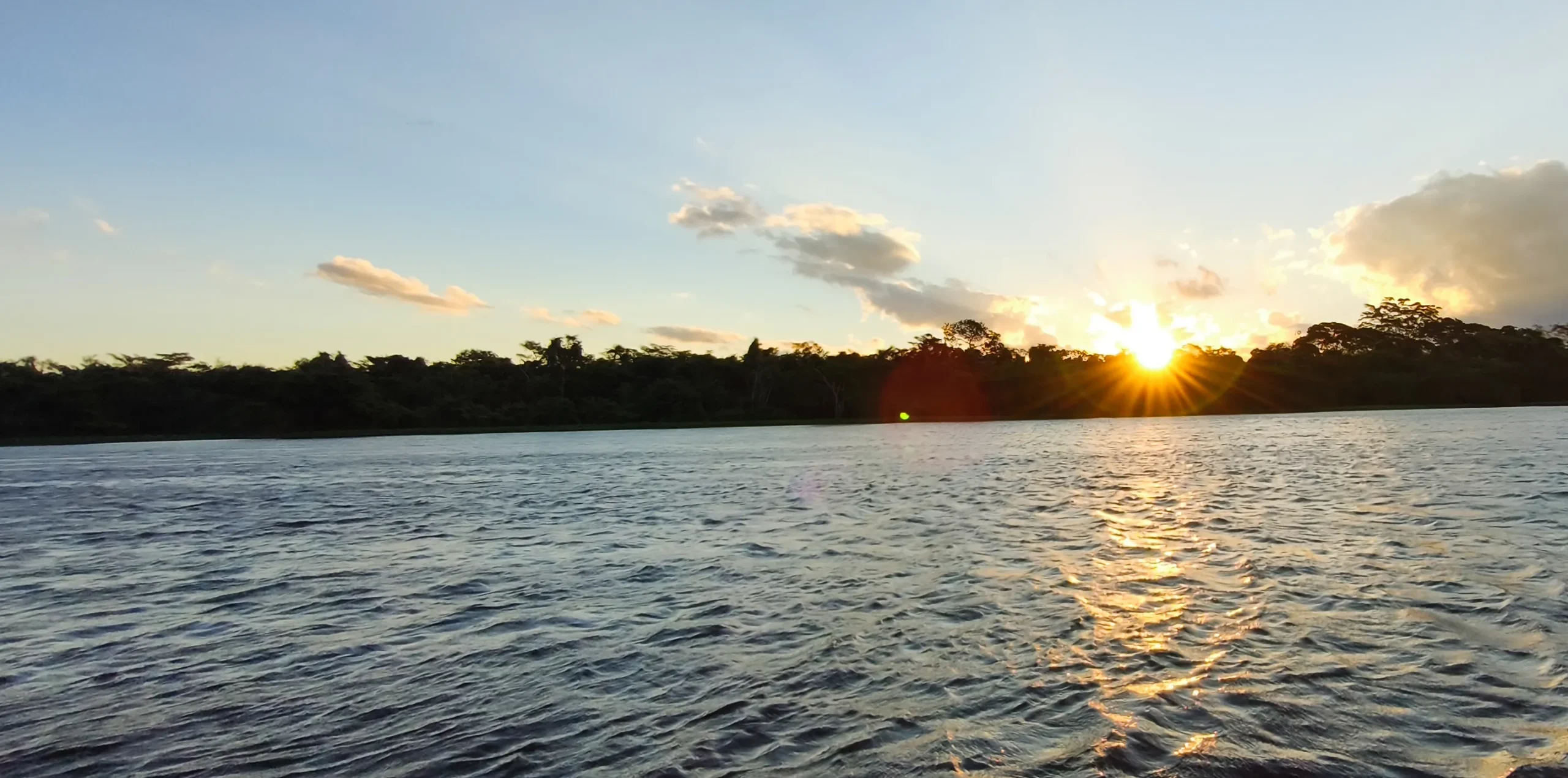
The Autonomous Municipal Government of Baures, in the department of Beni, has created the "Agua Dulce" Municipal Wildlife Reserve, a subnational protected area of 289,304 hectares that safeguards key habitats for 355 bird species and strengthens ecological connectivity between Bolivia and Brazil. The new reserve protects Amazonian forests, seasonally flooded savannas, pampas, and river-associated ecosystems, in a transition zone between the humid Amazon, the Beni pampas, and the Chiquitano–Cerrado complex.
Nelson Fernández
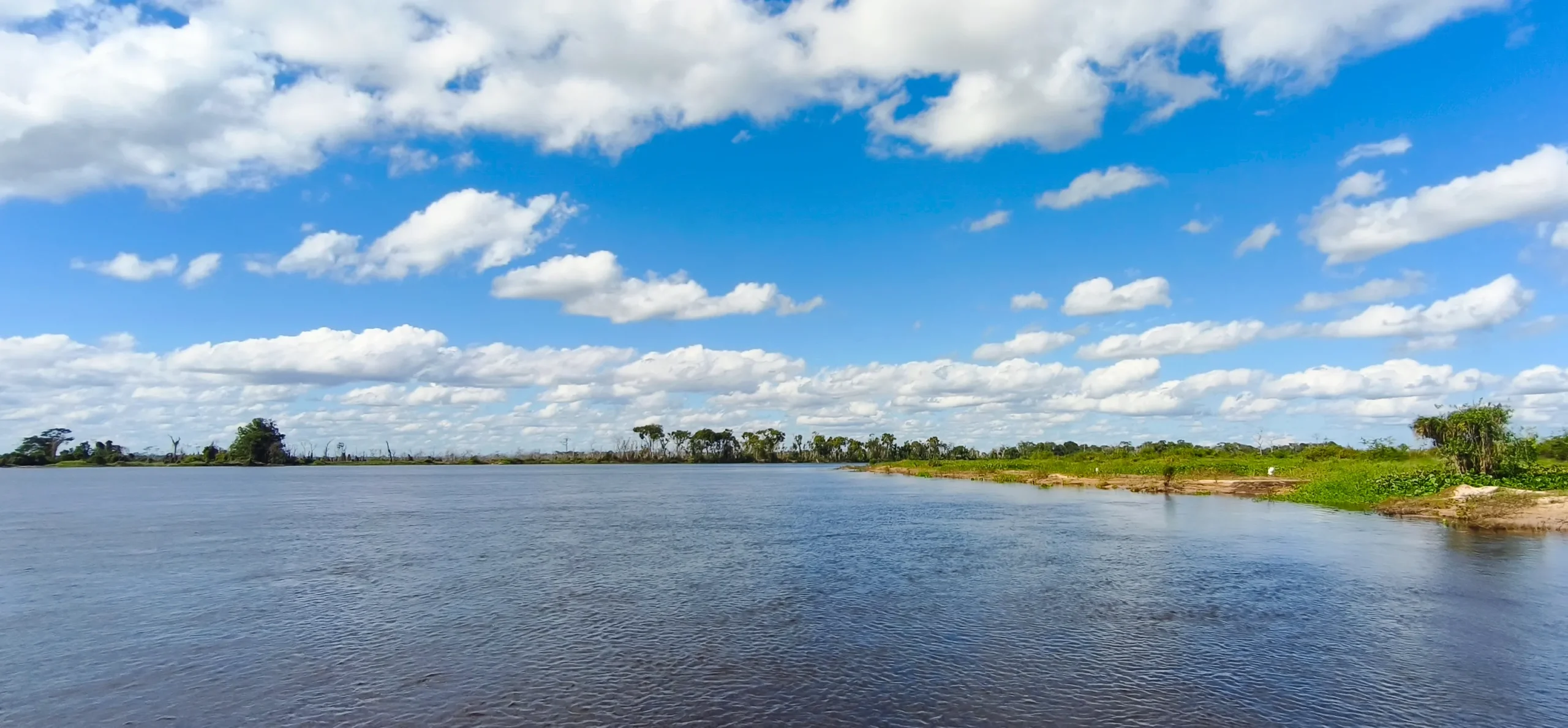
Agua Dulce contributes to the longitudinal and lateral connectivity of the Iténez (Guaporé) River within the Iténez Ecological Corridor, consolidating the continuity of a mosaic of protected areas between Bolivia and Brazil.
This connectivity is especially important for wide-ranging species such as the jaguar, river dolphins, the tapir, and migratory birds, and it helps reduce the risk of isolation for the region’s large national parks.
The creation of the reserve also responds to identified threats, including forest fires, water pollution associated with mining, and unregulated land clearing. The zoning establishes a Conservation Zone in the center and north of the area, along with sustainable development zones in the southeast, backed by oversight and patrolling measures.
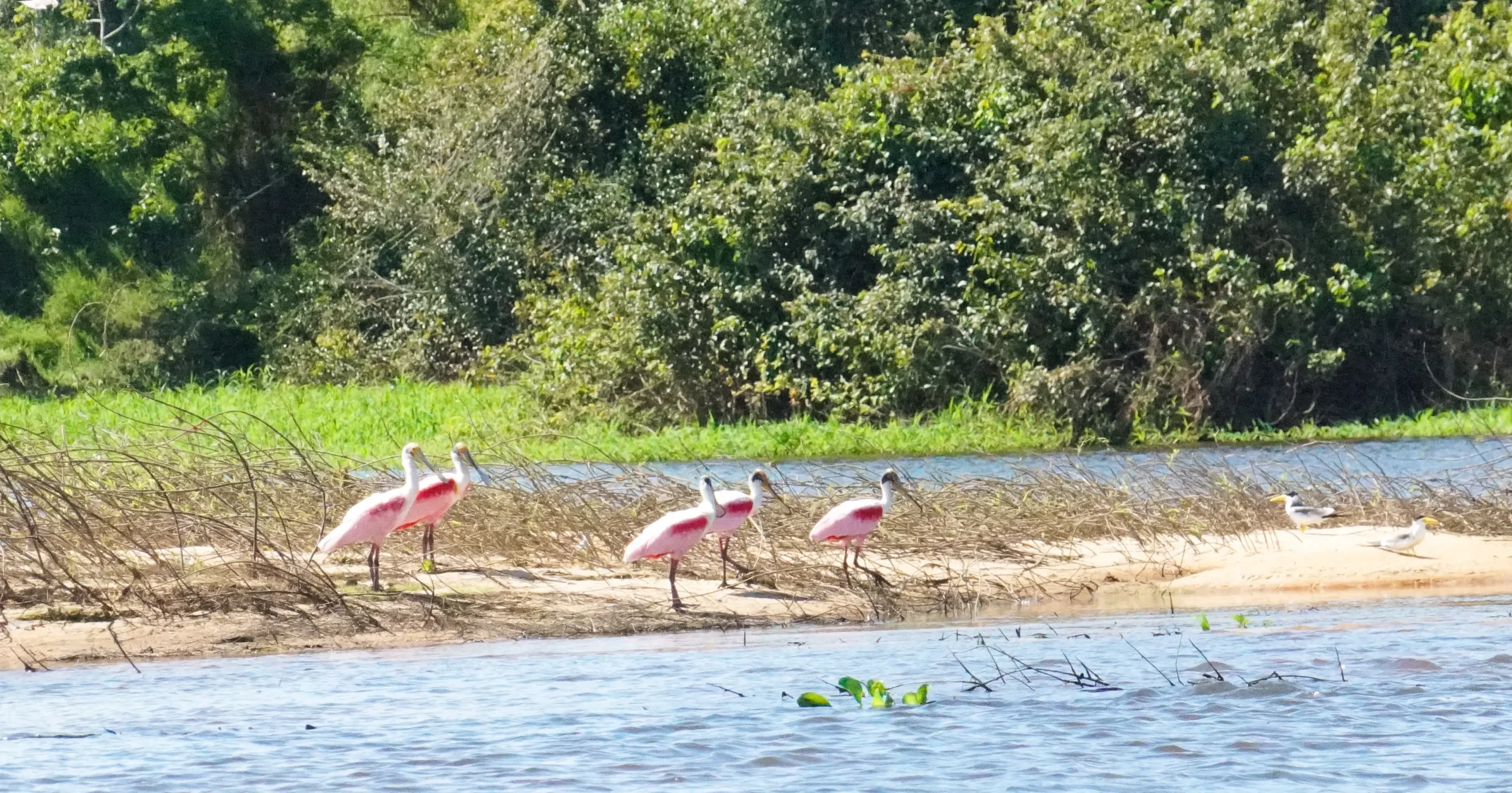
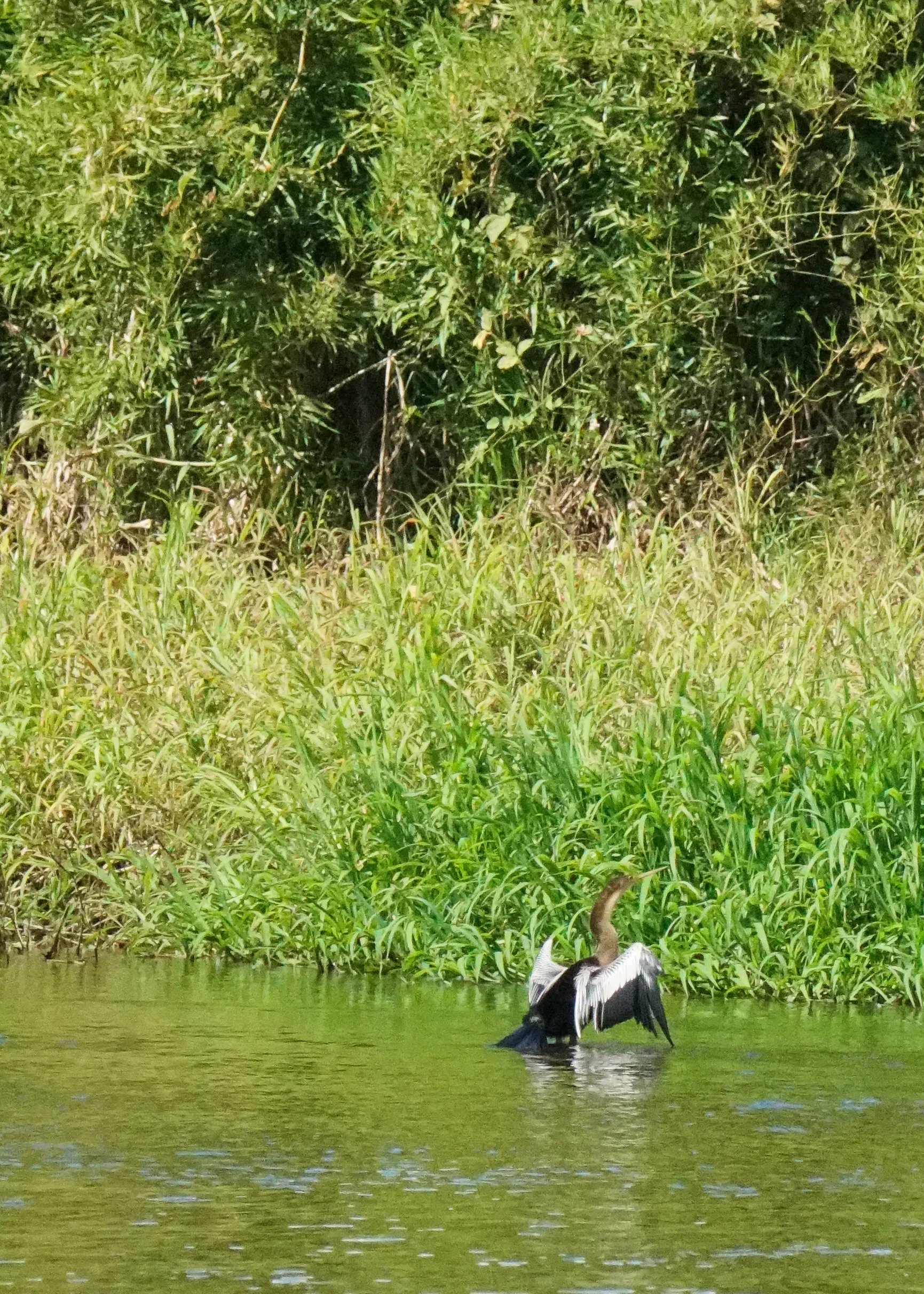
A total of 355 bird species have been recorded in Agua Dulce, positioning the reserve as a strategic territory for scientific research and birdwatching.
Among the species of greatest conservation interest is the agami heron (Agamia agami), associated with shaded wetlands and calm waters. Protecting these floodable ecosystems contributes to the conservation of this species at a hemispheric scale.
The process of creating the reserve included free, prior, and informed consultation with campesino and Indigenous communities of the territory, safeguarding their territorial and cultural rights as well as their rights to sustainable use.
Management of the area will be led by a Shared Management Committee, made up of three representatives of the local communities and one representative of the Municipal Government of Baures.
The model recognizes traditional low-intensity use practices, such as cattle ranching and the gathering of wild fruits, as activities compatible with the conservation objectives.
The creation of the Agua Dulce Municipal Wildlife Reserve is an achievement of the joint work of FUNDESNAP, the Autonomous Municipal Government of Baures, and local communities, with the technical and financial support of Conserva Aves.
The creation of Agua Dulce marks a further step in Conserva Aves’ commitment to conserving key habitats for birds and biodiversity in Latin America. It also demonstrates the importance of working alongside local governments, communities, and territorial organizations to build lasting, interconnected conservation solutions.
Conserva Aves is an initiative led at the regional level by American Bird Conservancy, the National Audubon Society, BirdLife International Americas, Birds Canada, and the Latin American and Caribbean Network of Environmental Funds (RedLAC). In Bolivia, the Initiative’s lead partners are Fundesnap and Asociación Armonía, with strategic support from the Bezos Earth Fund.