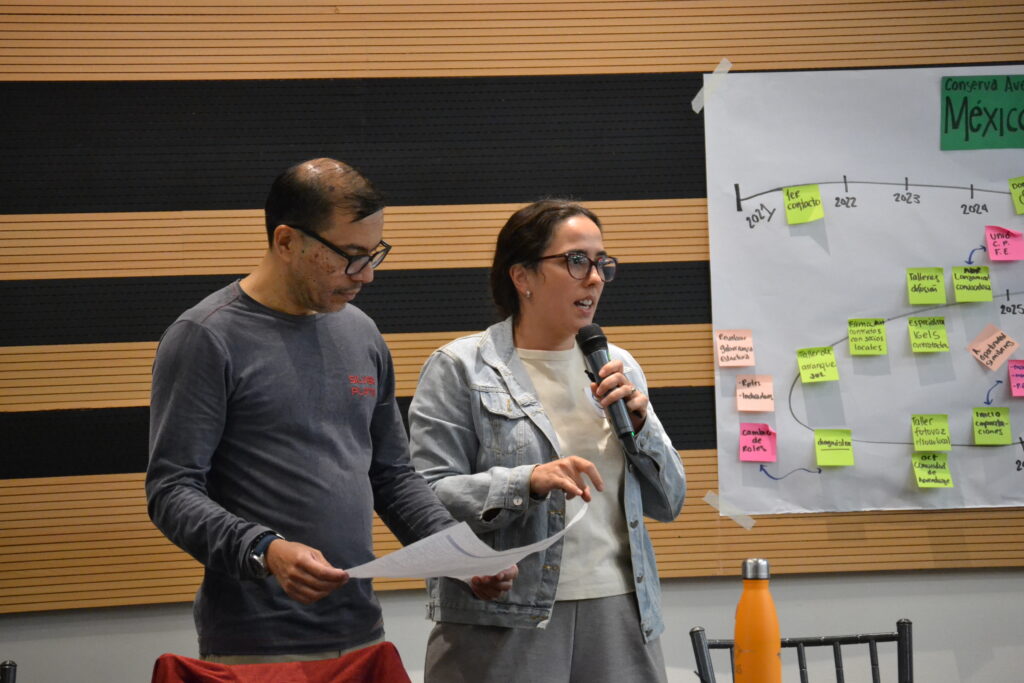
From June 8 to 11, representatives from seven countries gathered in Quito, Ecuador, to share lessons learned, strengthen partnerships, and discuss the future of Conserva Aves. The initiative is celebrating five years of promoting biodiversity conservation and sustainable development in Latin America.
Shirley Farinago
Conserva Aves partners participated in a bird-watching field trip in the Chakana Reserve conservation area in Ecuador.
The Conserva Aves Initiative began its work in Colombia five years ago and later expanded to Bolivia, Peru, and Ecuador. It has established itself as an innovative model for protecting areas of high biodiversity value, promoting climate resilience, and fostering sustainable development and community well-being.
Throughout this time, the initiative has strengthened community, national, and regional capacities while learning valuable lessons at each stage of implementation.
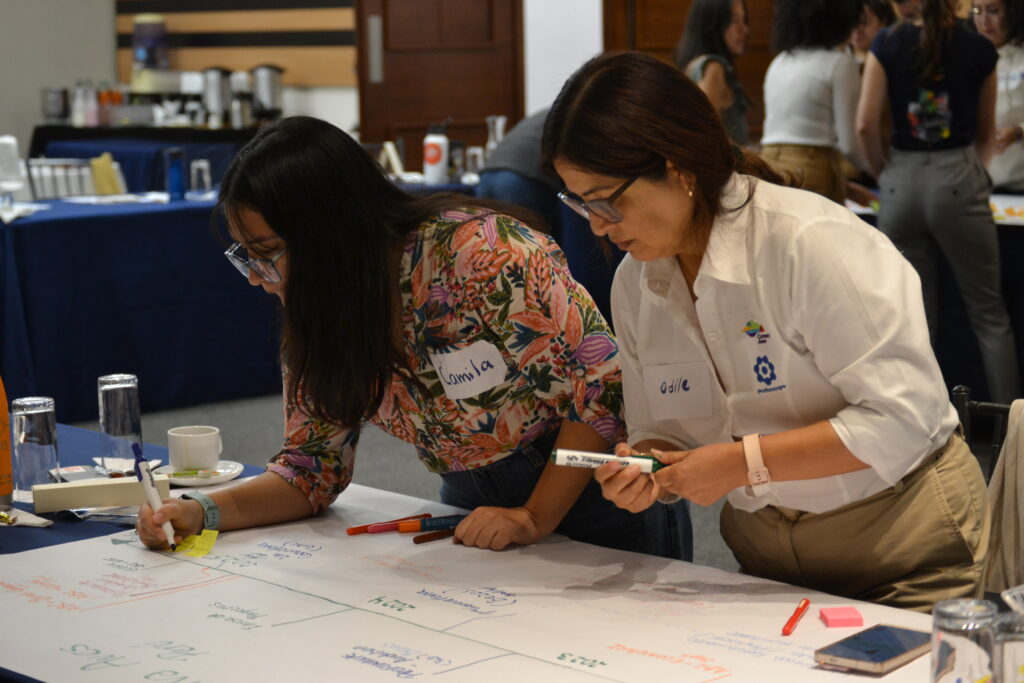
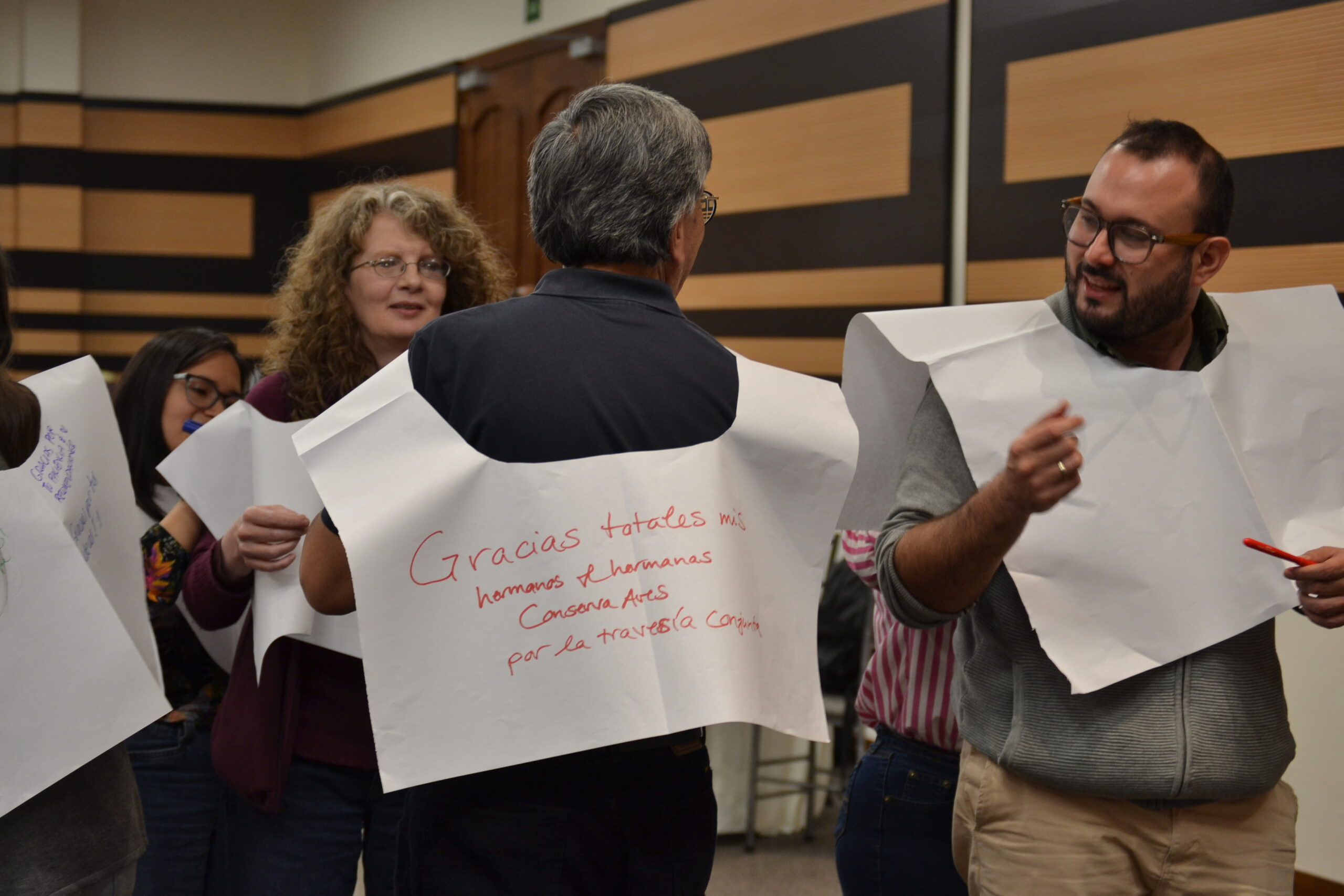
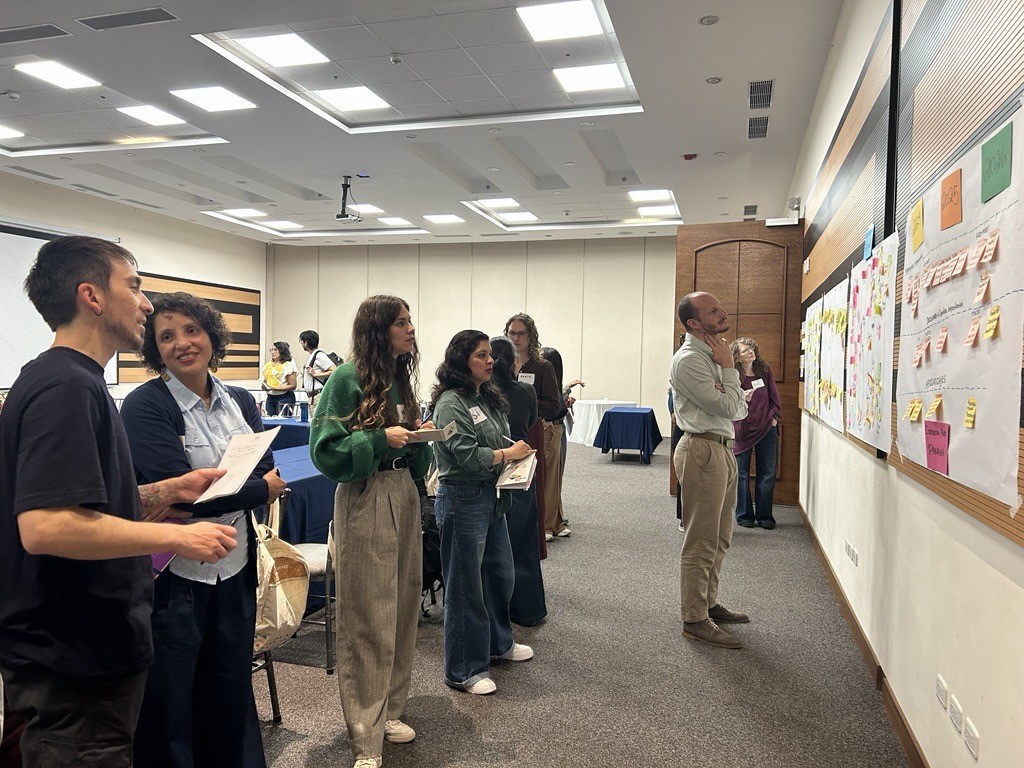
From June 8 to 11, Quito, Ecuador hosted the Regional Meeting of Conserva Aves’ national partners. Representatives from seven countries gathered to share experiences and lessons learned and to reflect on the initiative’s key progress, challenges, and opportunities.
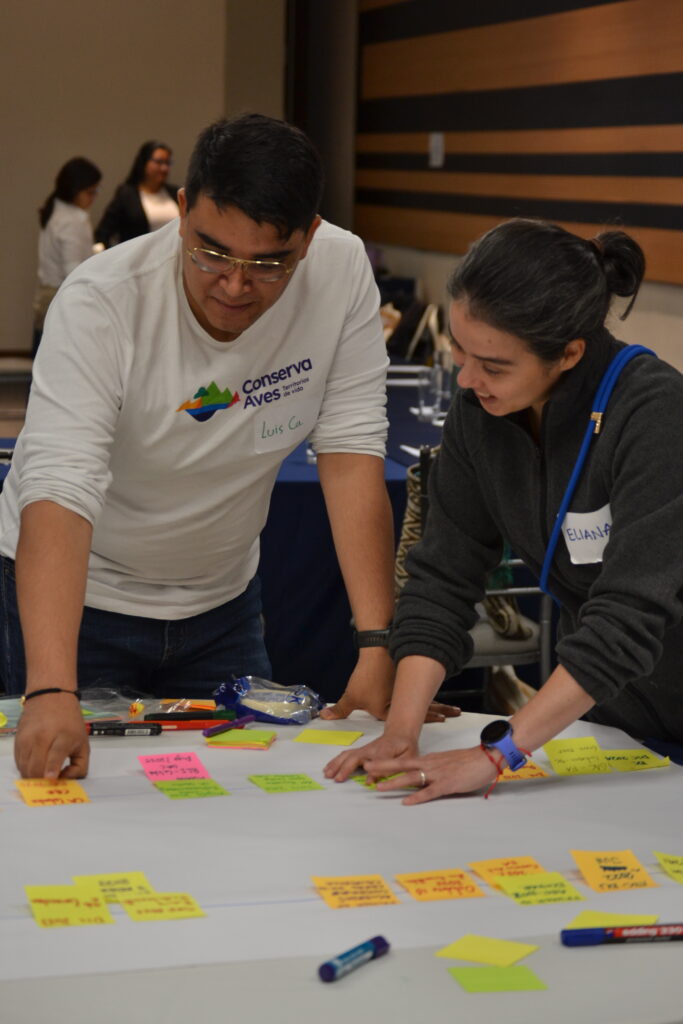
The meeting provided a valuable opportunity to recognize the achievements made in the various regions, strengthen strategic partnerships, and highlight the impact achieved through joint efforts by organizations, communities, and partners committed to biodiversity conservation in Latin America.
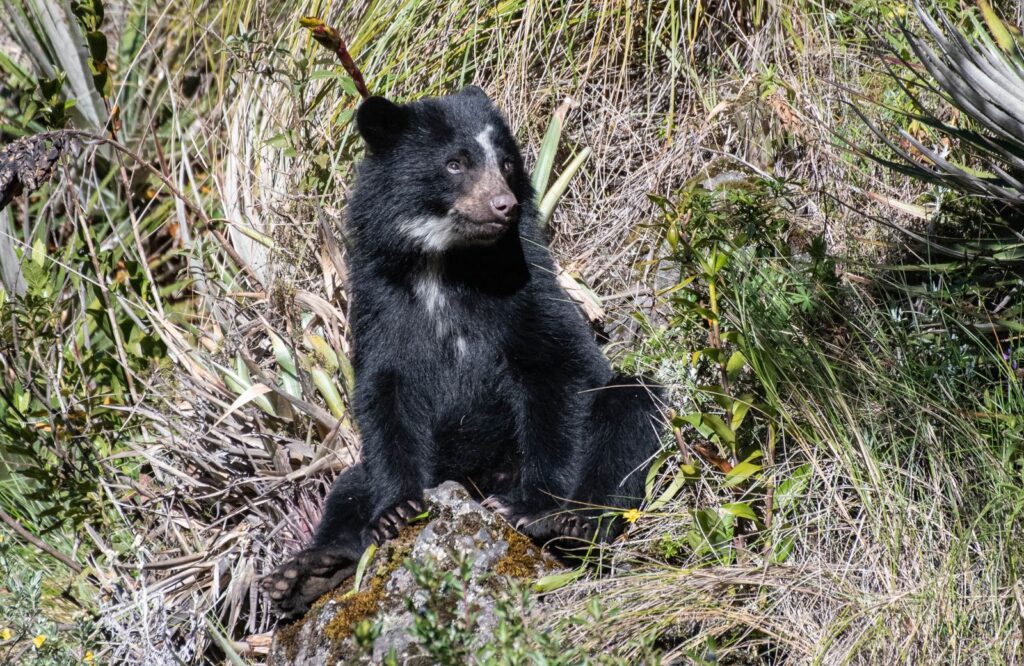
As part of the event, participants visited the Chakana Reserve, supported by Conserva Aves and managed by the Jocotoco Foundation. During the tour, they observed iconic and endemic species of the Ecuadorian Andes, such as the Ecuadorian Hillstar (Oreotrochilus chimborazo “hummingbird”), and recorded the presence of the spectacled bear (Tremarctos ornatus), a species emblematic of the region’s mountain ecosystems.
The event provided an opportunity to analyze Conserva Aves’ progress, contributions, and lessons learned in different countries and through various implementation mechanisms. Discussions centered on the challenges and opportunities of effectively managing the supported areas, strengthening their financial sustainability, consolidating community ownership, and promoting sound territorial governance.
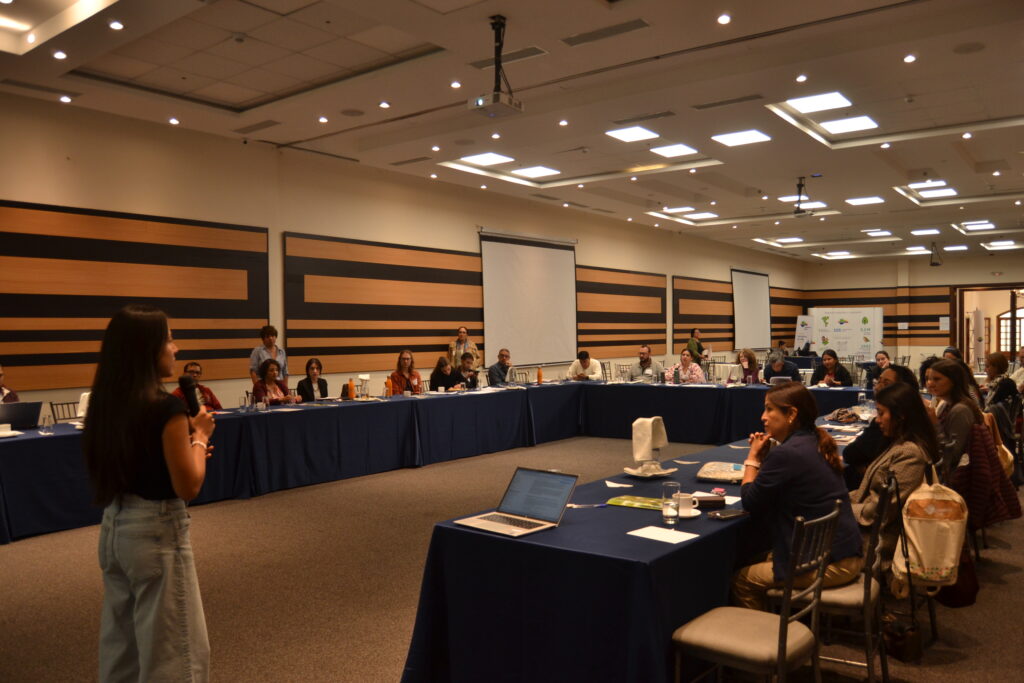
The meeting reaffirmed a shared conviction. Conserva Aves’ greatest achievements have been made possible by the commitment and collaboration of a diverse network of organizations, communities, and individuals who work together to conserve habitats. Five years after its inception, the initiative continues to connect territories, build capacity, and positively impact birds, biodiversity, and communities in the region.